Office Politics Isn't a People Problem — It's a Design Problem
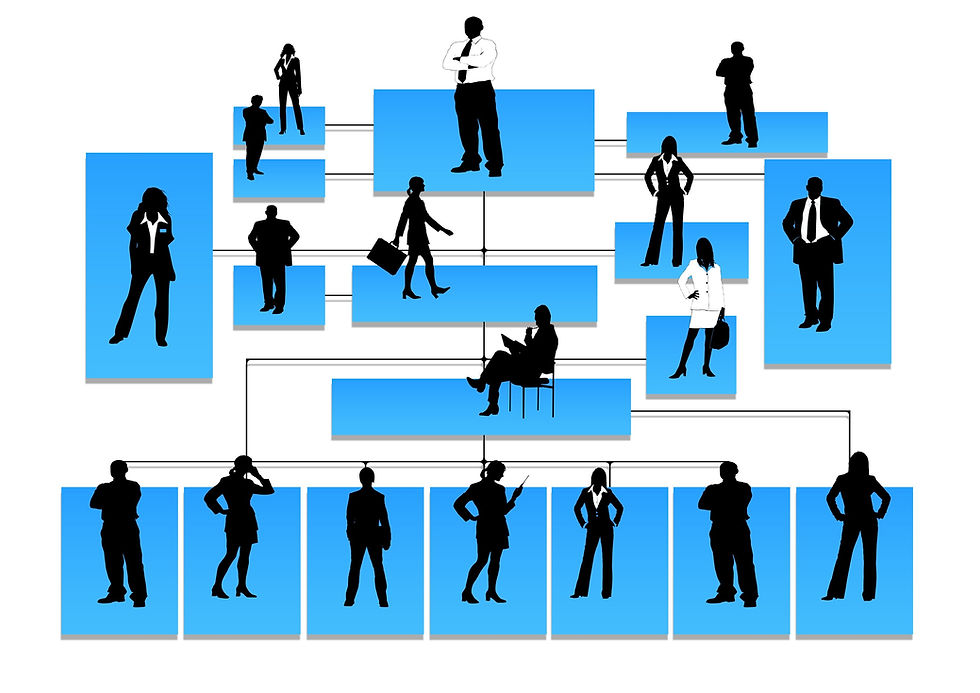
Everyone has heard it said: "That place is so political." It's usually said with a mix of frustration and resignation — as if politics were an inevitable feature of organizational life; something you endure, not something you solve.
But what if most of what we call office politics is actually a symptom of how an organization is designed?
What We Really Mean When We Say "Political"
Office politics is the use of informal influence — rather than formal authority, merit, or process — to gain favor or advance one's interests within an organization. It's the shadow system running alongside the org chart: the backchannels, the positioning, the unwritten rules about who really decides things.
We recognize it in behaviors. People withhold information to maintain a power advantage. They lobby decision-makers privately to predetermine outcomes. They take credit strategically, undermine peers subtly, and build alliances that serve personal loyalty over loyalty to the mission of the organization. At its worst, politics replaces "what's the best solution to create value?" with "how do I gain leverage for my personal interests?" Every organization has it to some degree; it becomes problematic when it’s overly rewarded and rivals merit performance as a primary currency for success.
The Conditions That Breed It
Here's what’s less obvious: politics doesn't thrive randomly. It thrives in specific, predictable conditions — and nearly all of them are structural.
When an organization lacks a clear purpose and strategic direction, people fill the vacuum with their own agendas. When decision rights are ambiguous, people maneuver to claim them. When roles overlap or conflict, turf wars emerge. When leaders overly reward personal loyalty you’ll notice more sycophantic behaviors.
The Human Element
To be fair, organization design doesn't explain everything. Politics also reflects something fundamental about human nature.
Research in organizational psychology tells us that people vary in their need for power and influence — and more importantly, in how they express it. Some individuals channel that drive toward collective goals, using their influence to align teams, champion shared priorities, and elevate others. This is what psychologists call socialized power — influence in service of something other than oneself. Some orient that same drive inward — toward personal status, control, and advancement, sometimes at the expense of the people around them or even compromising maximum value creation. This more personalized use of power is what most of us picture when we hear the word "political."
Both tendencies exist on a continuum in every organization and in every person. You won't design your way out of human nature entirely.
So Why Lead With Design?
Because design is actionable. You can't rewire people's motivations in a quarterly planning cycle — but you can clarify the organization's purpose and sharpen strategic priorities, clarify the overall operating model for greater alignment, make sure the most strategic workflows are tight and deliberately evolved over time, define decision rights, align incentives, and establish clear expectations for how leaders are expected to behave.
When you get the structure right, you reduce the conditions that reward political behavior and increase the conditions that reward contribution. You don't eliminate politics — but you make it far harder for political strategies to win.
And when political behavior does surface, a well-designed organization makes it visible. Clear roles expose turf grabs. Transparent decision processes reveal backchanneling. Defined success criteria make it harder to substitute perception for performance.
The Bottom Line
The next time you hear that an organization is "highly political," resist the urge to chalk it up to bad actors. Ask yourself: what about the design of this organization is enabling political behavior?
The answer will almost always point you toward something you can fix.


Comments